
Custom Compound Development
Start with the application, target properties, and processing requirements. We evaluate or develop the formulation.
Explore Compound Development ↗CIB Manufacturing / Rubber Compounds
Engineered rubber compounds developed around your operating conditions, processing method, and performance requirements—from formulation and sampling to production with consistent quality.
Two ways to work with us
Start with the application, target properties, and processing requirements. We evaluate or develop the formulation.
Explore Compound Development ↗Bring a formulation for mixing against agreed material, process, and quality requirements.
Explore Toll Mixing ↗Compounding infrastructure
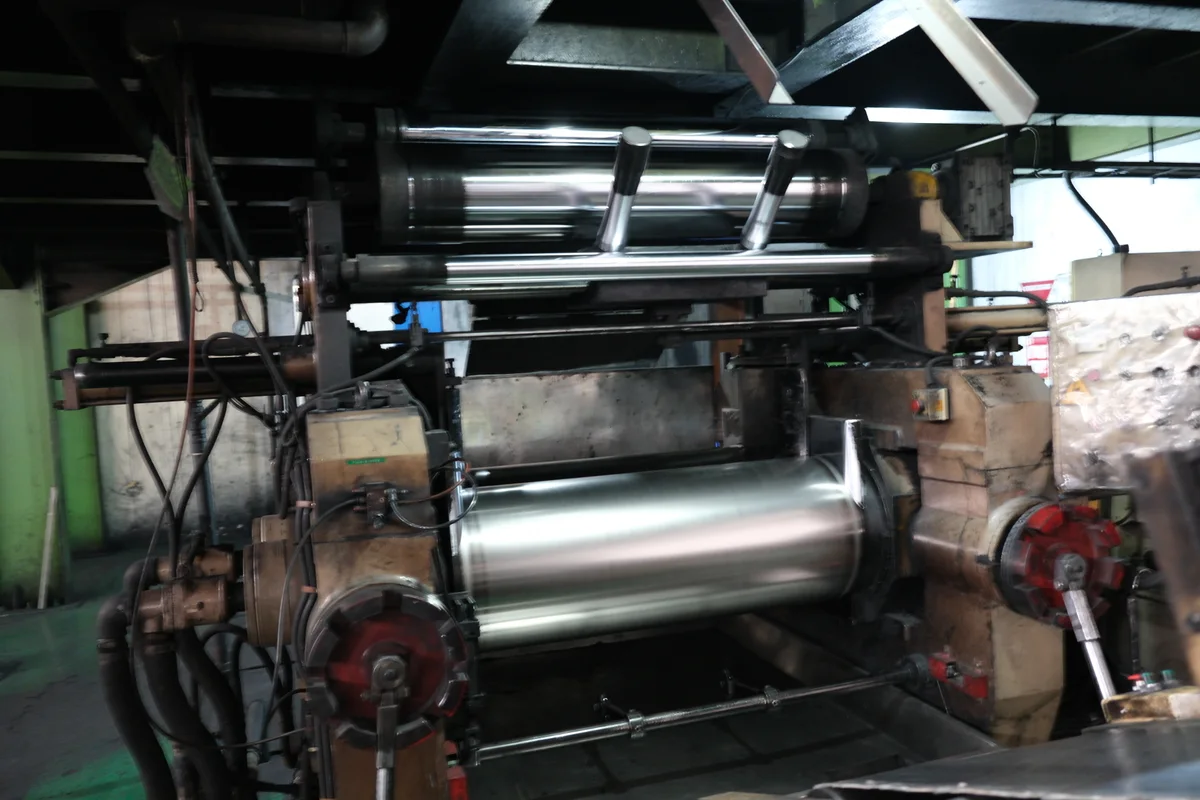
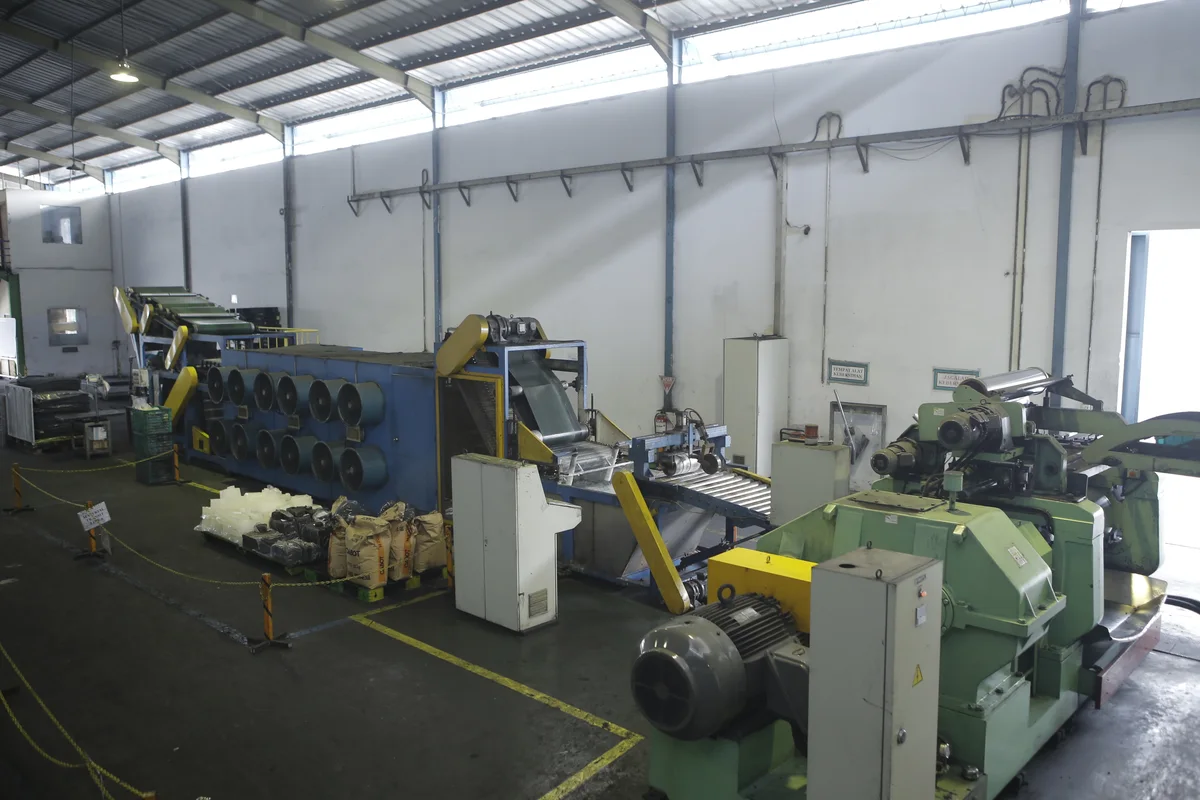
A kneader mixing line and a Banbury mixing line support compound development and production. Project acceptance depends on formulation, materials, quality criteria, volume, and scheduling.
Start with the requirement
Material selection and formulation development begin with the actual application, operating environment, processing method, and performance target.
Rubber types we work with
| Material | Material name | Characteristics and typical uses |
|---|---|---|
| NBR | Nitrile Butadiene Rubber | Often selected for resistance to oils, fuels, greases, and selected chemicals. Typical applications include seals, gaskets, hoses, and automotive or industrial components. |
| EPDM | Ethylene Propylene Diene Monomer | Known for resistance to weathering, ozone, water, and elevated temperatures. Typical applications include weather seals, gaskets, hoses, roofing or construction components, and outdoor products. |
| NR | Natural Rubber | Offers high elasticity, tensile strength, resilience, and dynamic performance. Typical applications include vibration-control products, industrial rubber goods, and mechanically demanding components. |
| BR | Butadiene Rubber | Provides high resilience, abrasion resistance, flexibility, and good low-temperature performance. BR is commonly used in blends where dynamic properties and wear resistance are important. |
| SBR | Styrene Butadiene Rubber | A versatile general-purpose elastomer offering balanced abrasion resistance, processability, mechanical performance, and cost efficiency. |
| IIR | Butyl Rubber | Known for very low gas permeability and good resistance to moisture, weathering, and many chemicals. It is commonly considered for sealing, air-retention, damping, and environmental-protection applications. |
| VMQ | Silicone Rubber | Offers a broad service-temperature range, flexibility, weathering resistance, and useful electrical properties. Grade selection must consider the specific fluid, chemical, regulatory, and mechanical requirements. |
Compound-development process
Development stages are adapted to the compound, test requirements, and production arrangement.
Understand the application, operating environment, processing conditions, and target performance.
Select or develop an appropriate material formulation around the agreed requirements.
Prepare and evaluate laboratory or production samples as appropriate to the project.
Review physical properties and process behavior, then refine the formulation where required.
Agree the relevant quality criteria and production controls to maintain consistent quality.
Confirm commercial-production, packaging, documentation, and delivery requirements.
Toll Mixing
We review your formulation, processing instructions, volume, and quality criteria before confirming mixing feasibility.
Material supply, scheduling, packaging, and logistics are agreed with our manufacturing team.
Laboratory-supported evaluation
In-house testing supports development and batch verification. Tests, acceptance criteria, production controls, and documentation follow the agreed control plan.
How the project connects
Prepare your inquiry
Share what you have. We’ll identify any additional information needed.
Frequently asked questions
Commercial terms, material arrangements, scheduling, and documentation are confirmed for the specific project.
Start with the application, operating environment, processing method, target properties, applicable specifications, expected volume, and any existing benchmark or sample. Our team will identify any additional information needed during the initial review.
An existing formulation, compound, benchmark, or physical sample can be included in the feasibility review. The development approach depends on the available information, target properties, materials, and processing requirements.
Custom compounding begins with application and performance requirements and may include formulation development and evaluation. Toll mixing supports customers who provide a formulation for mixing.
Material supply, handling, packaging, scheduling, and logistics are discussed directly with the manufacturing team for each project.
Potential sourcing support is evaluated case by case based on the required material, availability, suitability, and the proposed commercial arrangement.
Testing, acceptance criteria, production controls, and supporting documentation are defined according to the compound, application, agreed control plan, and project requirements.
Customer formulations, specifications, samples, and project information are handled through controlled internal processes. Any formal confidentiality commitment can be documented contractually.
Chemindo can evaluate finished rubber-product requirements, including available drawings, samples, specifications, tooling, quality criteria, and expected production volume.
Start the conversation
Share your application, formulation, or benchmark material. We’ll review the development or toll-mixing path.